- 01 Nov, 2021
We’re physiotherapists and we’re here to help
Physiotherapists are ready, willing and able to help relieve pressure on general practice by reducing the burden of care created by conditions readily treated by physiotherapy.


Physiotherapists are ready, willing and able to help relieve pressure on general practice by reducing the burden of care created by conditions readily treated by physiotherapy.

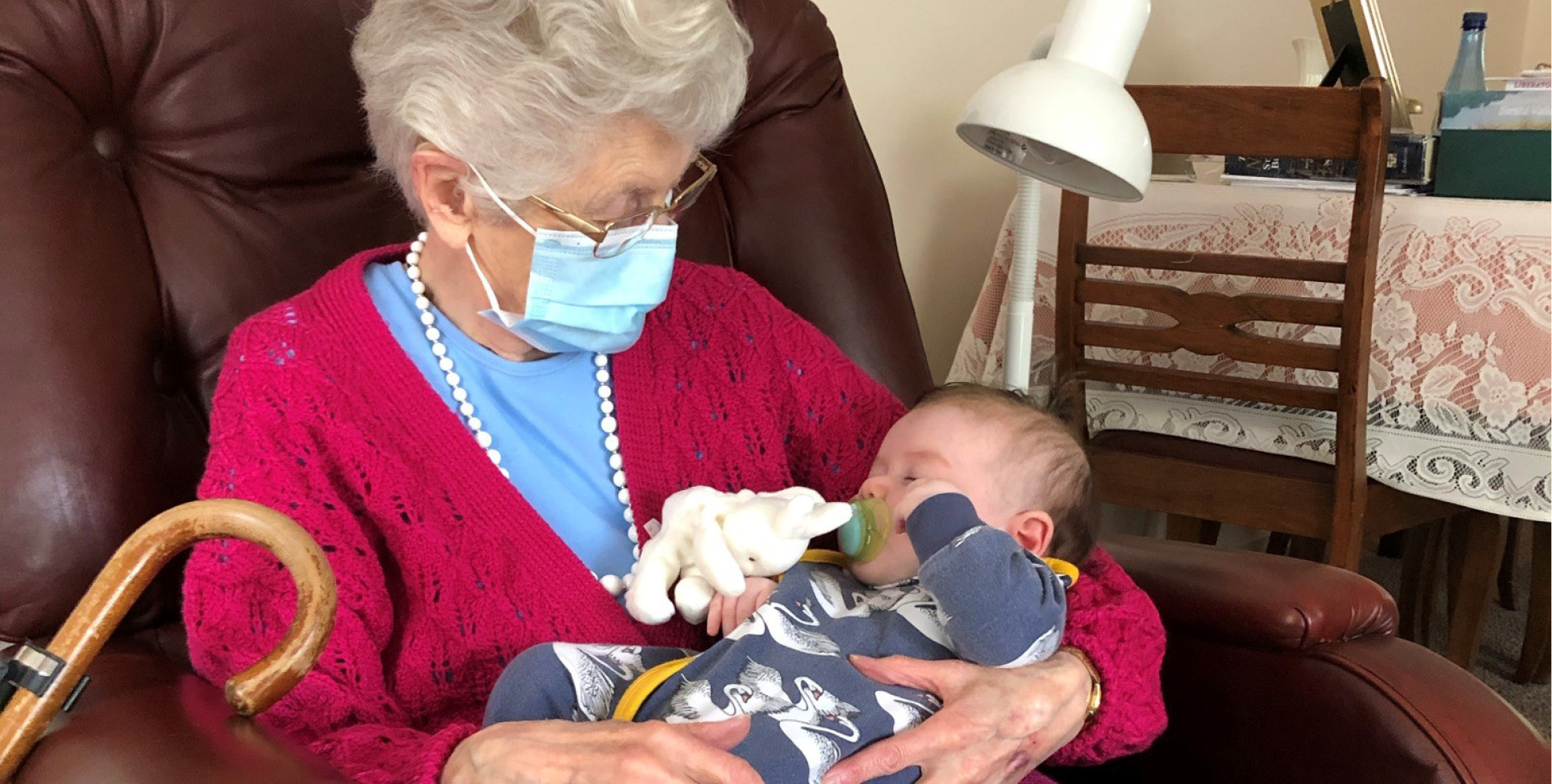
The Australian Physiotherapy Association (APA) is calling on the Federal Government to clarify how critical physiotherapy care for older Australians will be funded, to allay uncertainty about the health of older Australians being put at risk and prevent job losses across the aged care sector.
APA National President Scott Willis said despite the Government saying that older people will receive physiotherapy under its new residential aged care funding, it hasn’t addressed the issue and has repeatedly failed to explain both how and how much.
The State Government’s short sighted and negligent restrictions on access to physiotherapy care in Victoria continues to impact thousands of people across the state, as face to face physiotherapy care remains only available for ‘essential’ purposes.

While the Australian Physiotherapy Association (APA) fully supports government measures to control COVID-19, including warranted lockdown restrictions, the APA is calling for a nationally consistent approach to accessing physiotherapy care that balances health needs with restriction of community movement.

Accidental falls are a leading cause of death in people living with dementia, yet less than 0.25 per cent of the $3 billion dementia health budget is spent on care that can prevent them.
The Australian Physiotherapy Association (APA) has welcomed the release of a new Australian Institute of Health and Welfare (AIHW) report, Dementia in Australia, launched to mark Dementia Action Week and highlighting the impact of the massive funding short fall.

The Australian Physiotherapy Association’s (APA) ‘With Your Physio’ campaign is designed to inform the more than 11 million Australians who live with chronic health conditions on a daily basis, the important role physiotherapy can play in improving and managing their health journey.

The Australian Physiotherapy Association (APA) is calling on parents to speak up about their ‘not-so-positive’ birth experiences during this year’s Birth Trauma Awareness Week.
Birth is not always the joyful and empowering experience seen in the media, and the ongoing impact of a traumatic birth can be devastating for some parents.
APA Women’s, Men’s and Pelvic Health Group National Chair Jason Crow says that it’s a two-fold trauma for many who have a negative experience with birth.

Inconsistent lockdown restrictions on essential health services applied by the Western Australian (WA) Government shows an urgent need for a national approach to ensure all Australians have access to vital health services during the ongoing pandemic.
Following their previous lockdown, the Australian Physiotherapy Association (APA) wrote to the WA Government alerting them to the impact on patients’ health care during the COVID-19 lockdowns. The APA called on the WA Government to allow face to face physiotherapy care for patients with critical need.

The Australian Physiotherapy Association (APA) is calling on Australian women and men living with incontinence to seek out physiotherapy as part of their treatment, ahead of World Continence Week.
Incontinence affects 1 in 4 Australians. The APA’s latest campaign #WithYourPhysio targets the more than 11 million Australians living with chronic health conditions, highlighting the importance of adding physiotherapy to their recovery team of professionals to ensure the condition is managed appropriately.

The Australian Physiotherapy Association (APA) welcomes the $123 million investment in rural health workforce and training under the Stronger Rural Health Strategy. This investment delivers a strong package for the rural health workforce and health services to tackle health disparities and strengthen access for rural and remote communities.